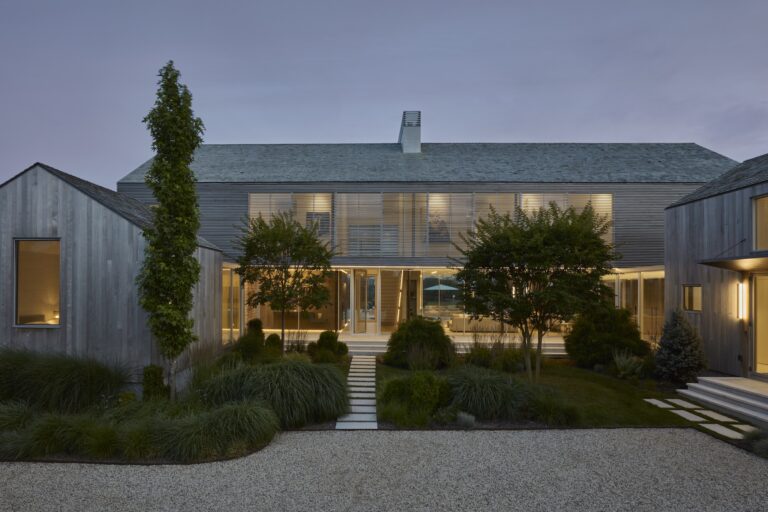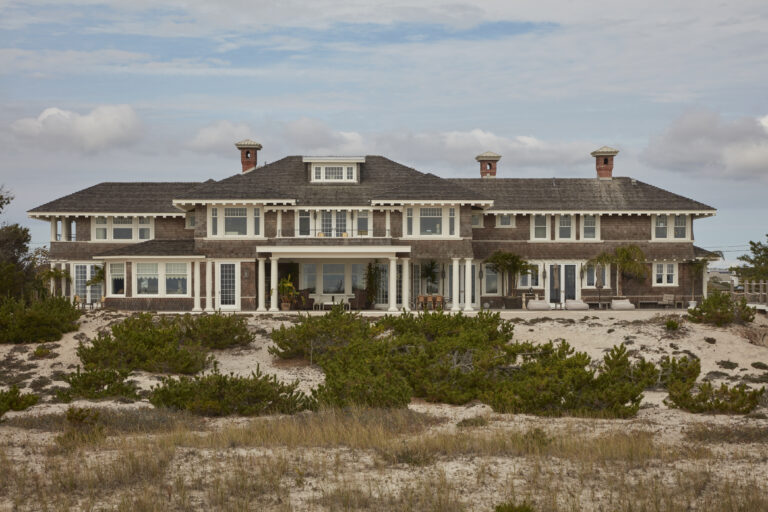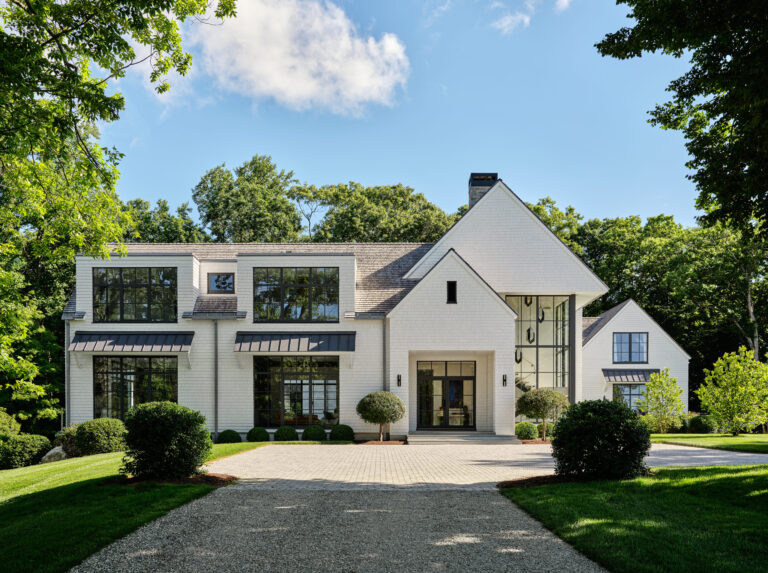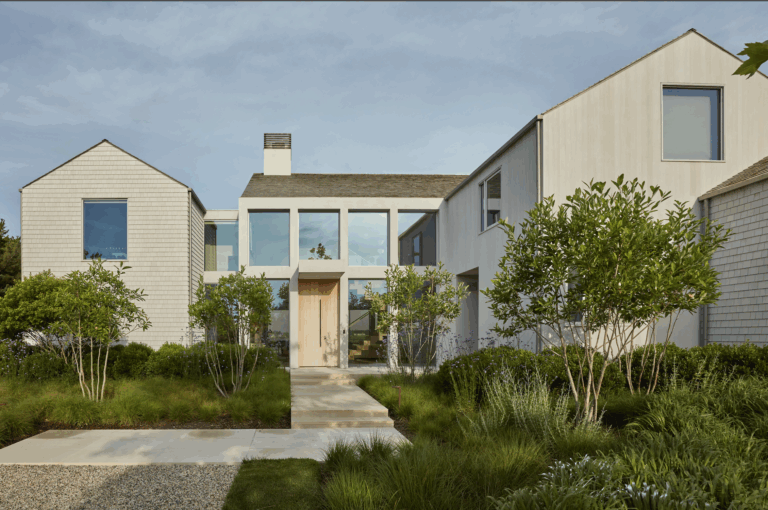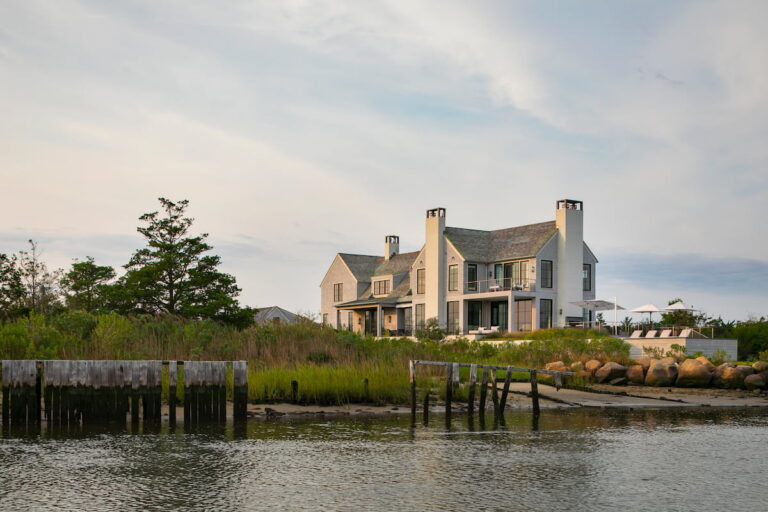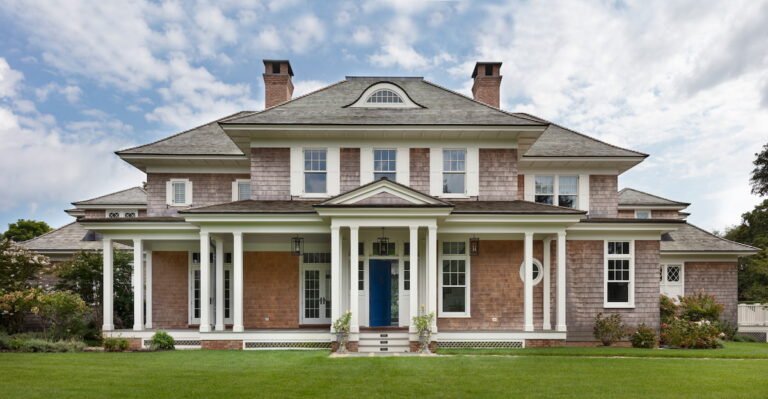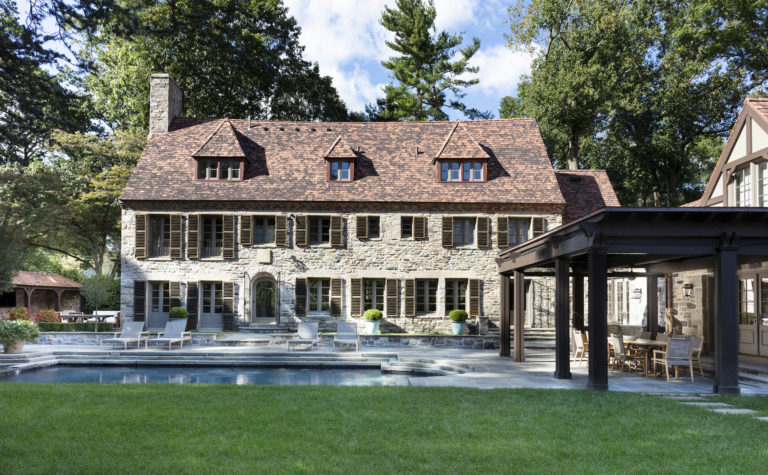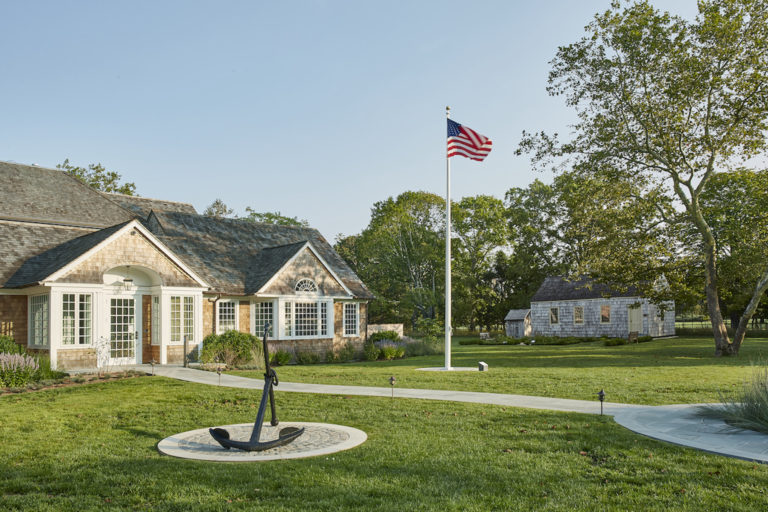
Inspiration is the core of creation, yet it is often difficult to define at its source. A passing glance, a life-changing trip, a chance conversation with a peer or even a stranger, a team meeting hit by a bolt of lightning. So what inspires APDA? Inspiration is abundant here at Austin Patterson Disston Architecture & Design, so we asked our principals, Stuart and Josh, to share a little bit about what makes them tick.

Joshua, a lifelong Resident of Long Island, became a principal of Austin Patterson Disston Architects in 2020. His entire professional career has been spent with Austin Patterson Disston Architects under the direct tutelage of Stuart L. Disston after earning his undergraduate degree from the University at Buffalo School of Architecture and Planning in 2003.
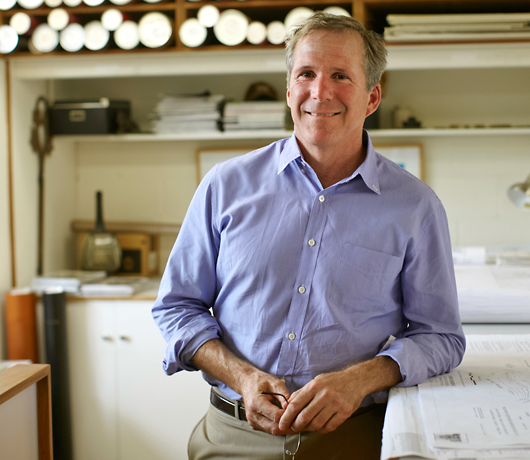
Stuart, who joined the partnership in 1994, manages the firm, overseeing projects of all types: residential, clubs, hospitality and commercial. Mr. Disston received his Bachelor of Architecture from Syracuse University’s School of Architecture in 1982. He attended the Syracuse Program of Architecture in Florence and the Wave Hill Center for Environmental Studies in New York.
What is your firm and design philosophy?
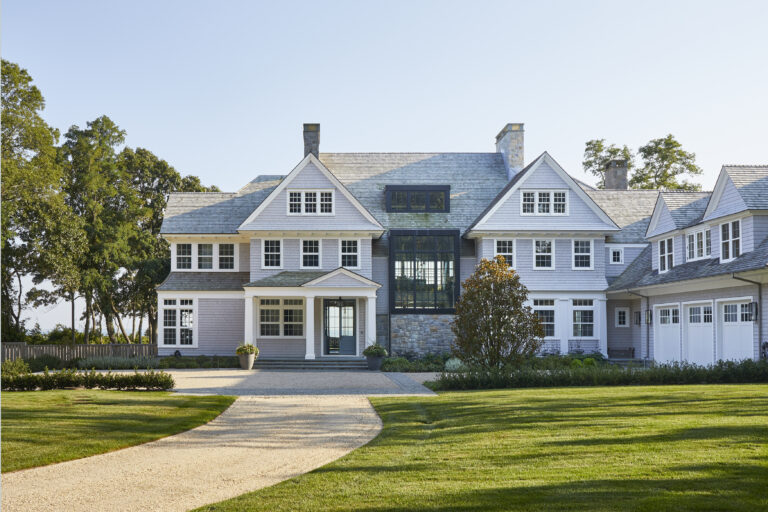
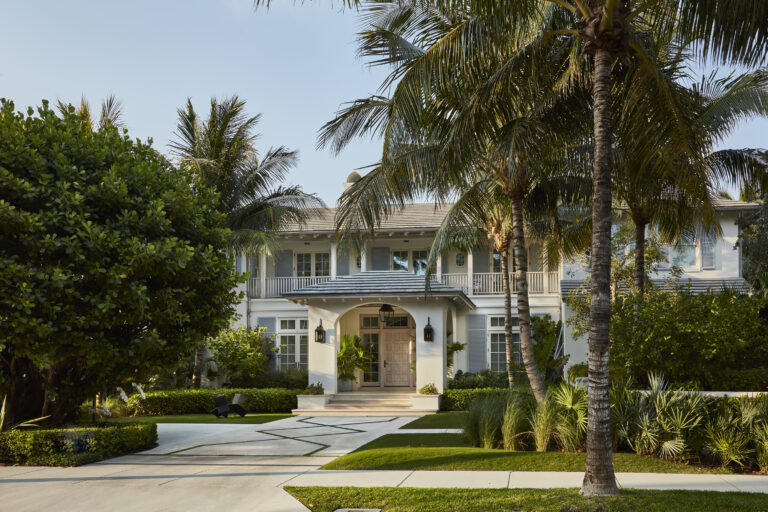
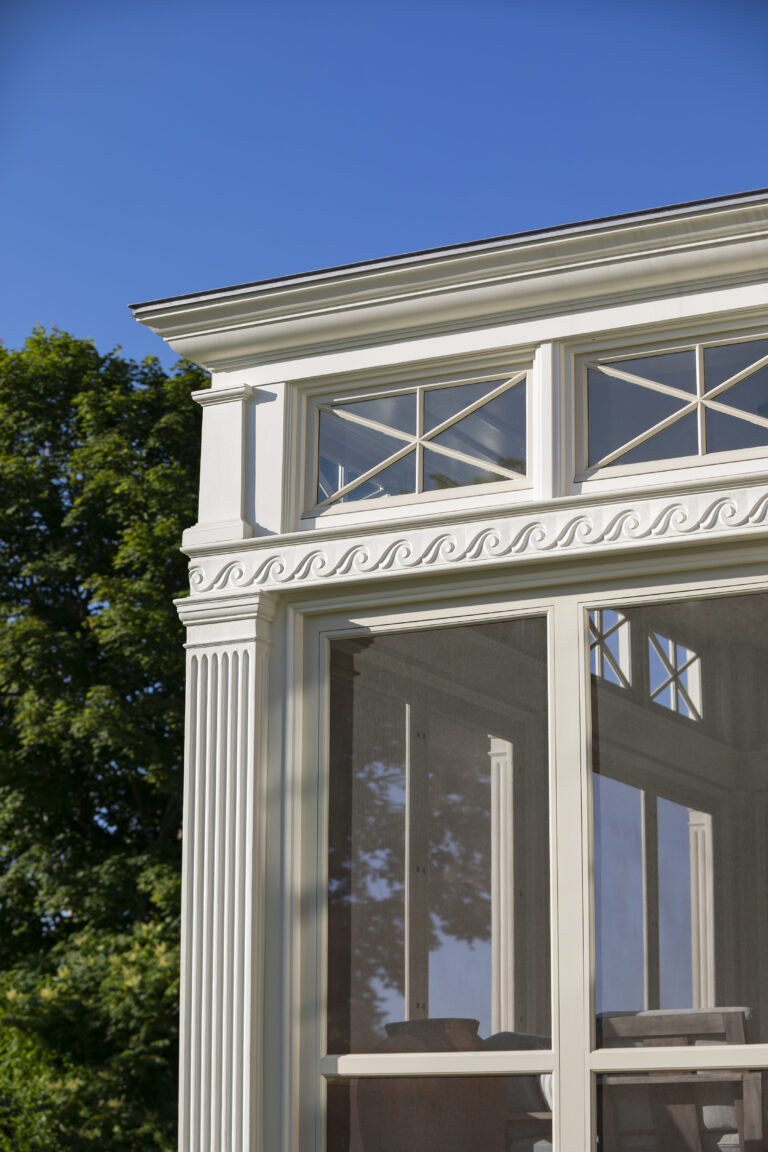
At Austin Patterson Disston Architecture & Design, we believe the most successful designs emerge from a thoughtful dialogue between site, architecture, and client. Every project begins with understanding the unique character of the land and carefully listening to our clients’ aspirations, lifestyles, and long-term goals. Our design philosophy is rooted in creating timeless architecture that feels authentic to its setting. By balancing tradition, innovation, and craftsmanship, we create enduring homes and environments that feel as though they were always meant to be there. We believe in the Vetruvian triad – firmitas, utilitas, venustas… which translates to strength, utility, beauty.
Did you always know you wanted to be an architect?
SD: As a child I always loved making things from murals to tree forts to go-carts. My mother was an artist, so I painted as well. Then in my high school, I took a mechanical drawing class. The instructor was a recent graduate from architecture school. He gave us all kinds of interesting exercises and his enthusiasm was contagious. I was hooked.
JR: Architecture has been a passion of mine for as long as I can remember. Growing up on Long Island, I was inspired by the timeless beauty of the region’s historic windmills and the way they became enduring landmarks within the landscape. They taught me early on that great architecture can both serve a purpose and define a place. I have also been fortunate to spend my entire career working alongside Stuart Disston. Stuart has been a tremendous mentor and guiding influence, helping me refine my design thinking, strengthen my creative process, and continually strive for excellence in every project.
SD: I want to nurture the talent in my office so they may carry on beyond my time. Creation goes beyond the individual, and it’s crucial to set up an enduring ecosystem.
JR: Our goals for APDA in the coming years are to continue creating opportunities for the firm to grow while expanding our work across a multitude of design vocabularies. We aim to continually refine and improve the architectural process, creating greater efficiency while maintaining the creativity, thoughtfulness, and quality that define our work. Just as importantly, we want the process of bringing architecture to life to be collaborative, engaging, and enjoyable for everyone involved—from our clients and consultants to builders and our own team.
What inspires you?
SD: Travel, experiencing architecture first-hand, seeing both historic and new cutting-edge architecture and how it fits with the culture that it is a part of. Anything could capture my imagination from the way a central window system brings in light, or how a stair is made — anything. I love looking at indigenous architecture and finding ways to reinterpret it.
JR: Much of my inspiration comes from travel, both abroad and close to home, where I am constantly observing how architecture has been shaped by different cultures, climates, and generations of designers. I am also inspired by the collaborative nature of our profession—the daily exchange of ideas with landscape architects, interior designers, engineers, and craftspeople reminds me that the best design solutions often emerge through thoughtful dialogue and a shared creative process.
What travel has particularly stood out to you?
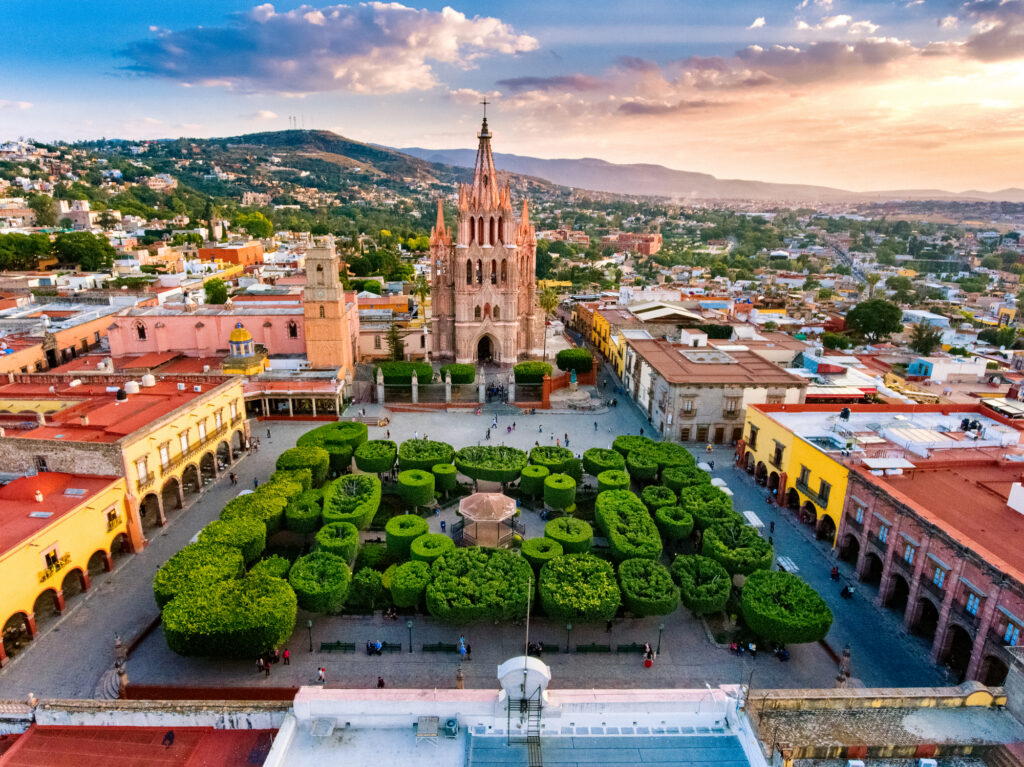
SD: San Miguel de Allande, Mexico and Chicago, IL are two recent trips that have resonated with me. It’s important to note that local context is key, and the way something works in its organic space may not translate to a new environment. Nothing can be exactly mimicked, which is why the creative process can be elusive at times. It must be translated. San Miguel is the perfect example of this. It’s in an ideal climate and the architecture is authentic to that environment. Every home is in some sort of walled structure, for example a garden court. There is also no particular monumental anchor of the city, leaving much room for energy to flow. Outside of the structure of the city, there was an atmosphere of abundance and fantastic energy. There was a brilliant art market, salsa in the park, small squares with their own unique vibe. It’s impossible to go there without feeling energized and inspired.
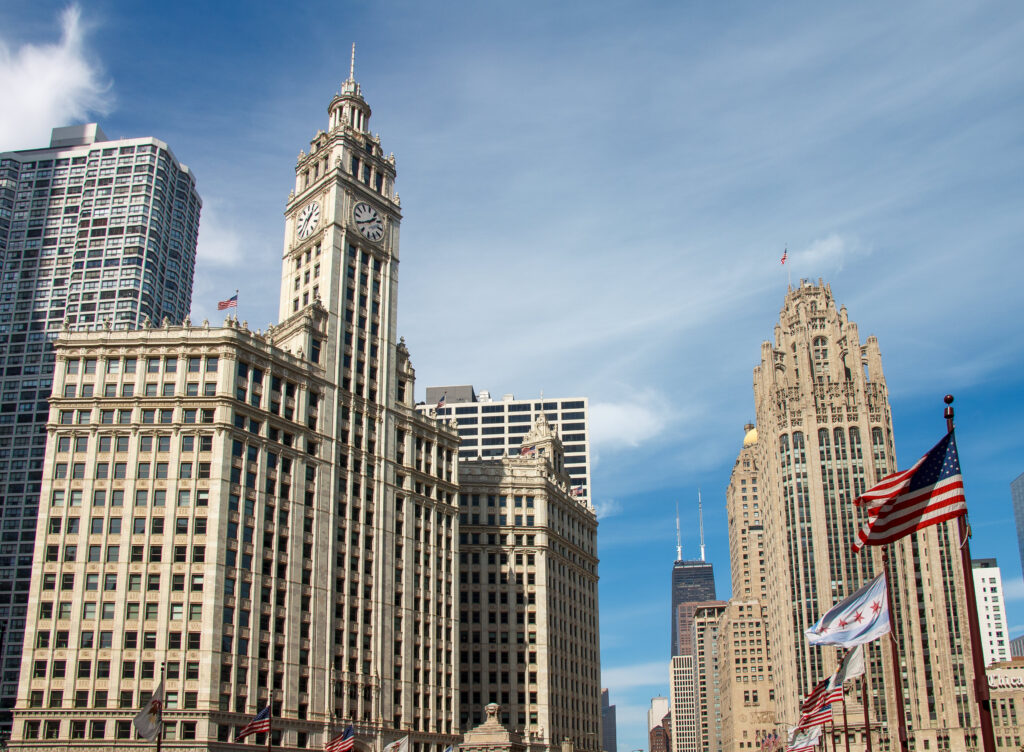
SD: Chicago is obviously a completely different vibe from the colorful streets of San Miguel. This juxtaposition is also a key part of the creative process, understanding what elements of seemingly dissimilar spaces could potentially be combined into something one-of-one. The Tribune Tower is an incredible carved and sculpted stone structure, with 35-feet of spolia (meaning spoils, coming from the Ancient Roman term for incorporating fragments of conquests into buildings as a reminder of victory.) Chicago is a home to artifacts from all over the world. There was a distinct connection between architecture and the foundation of media. The Obama Library had me in complete awe and is worth seeing.
And what about home-grown inspiration? What do you glean from your own upbringing and surroundings?
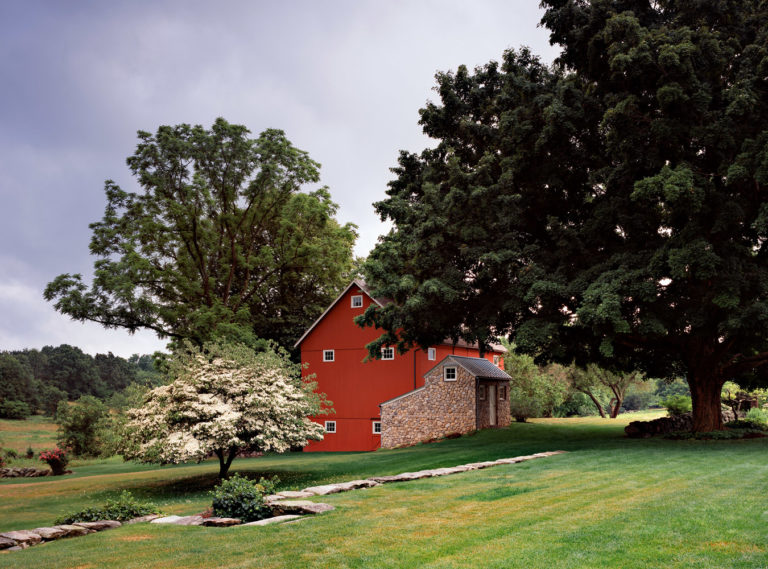
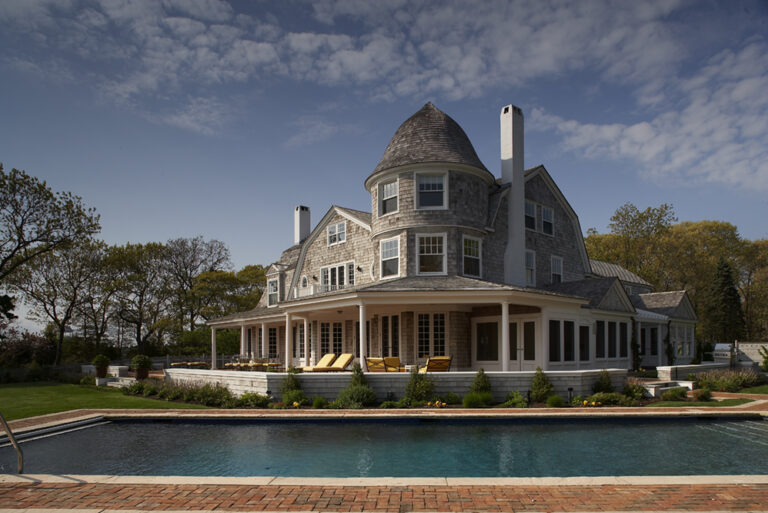
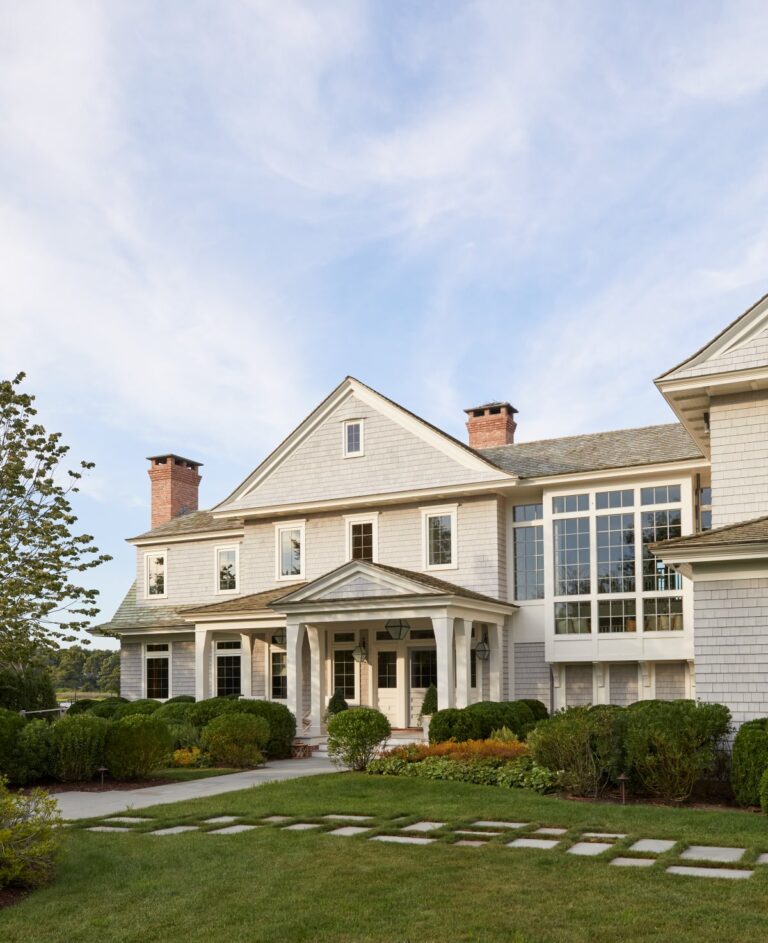
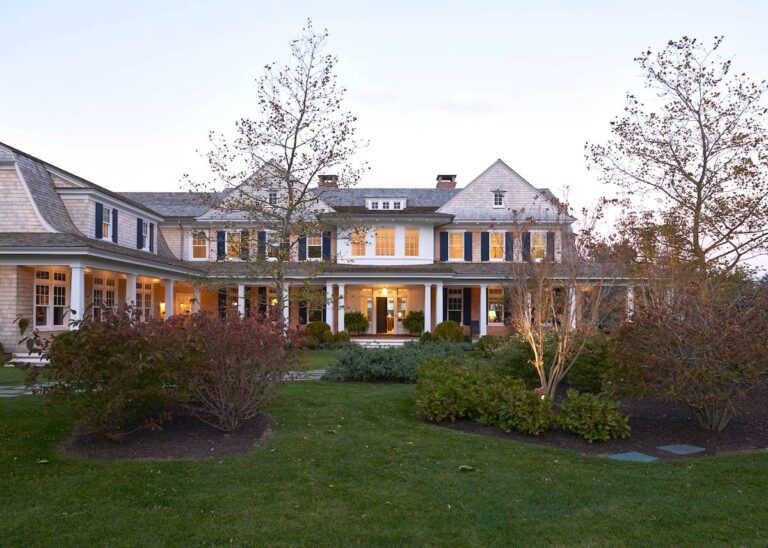
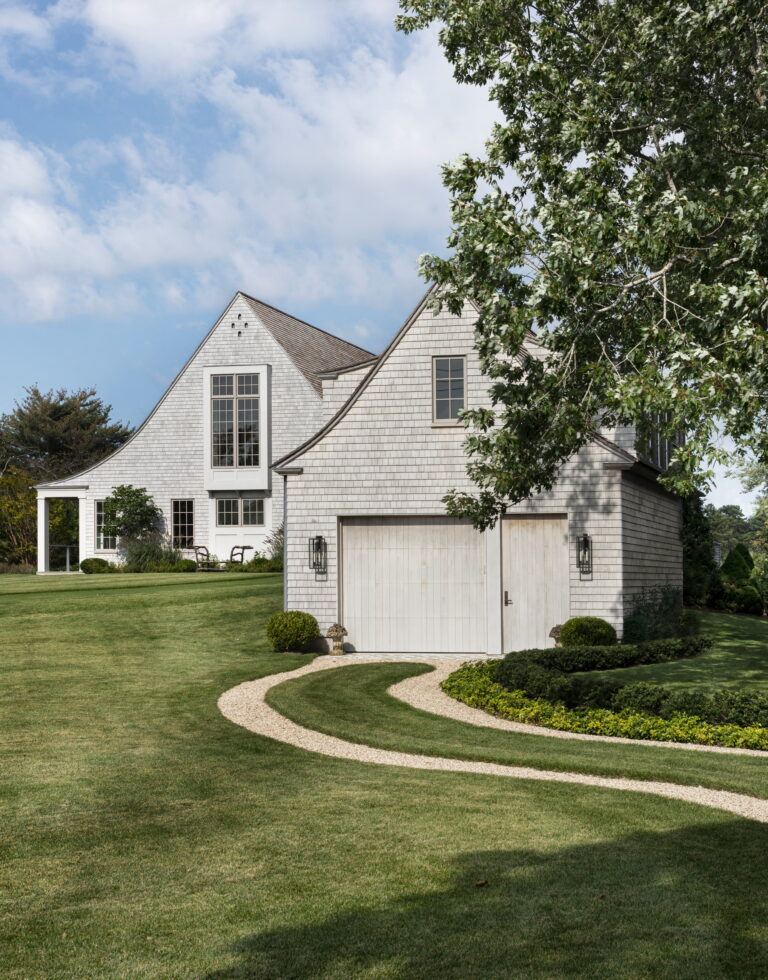
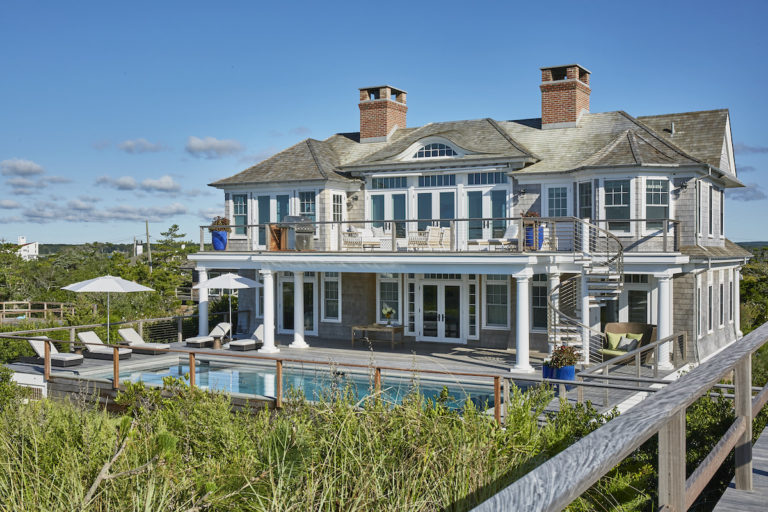
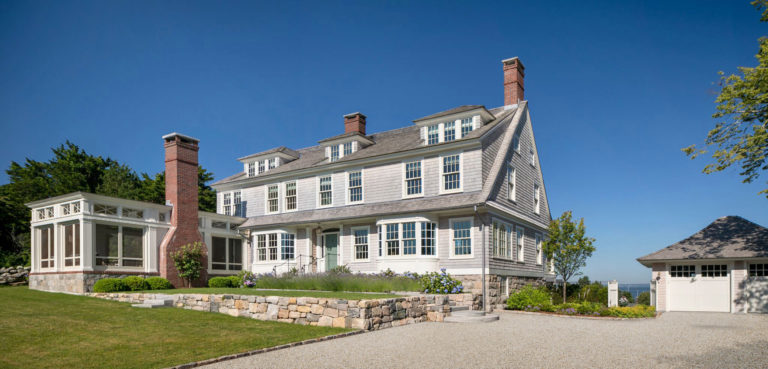
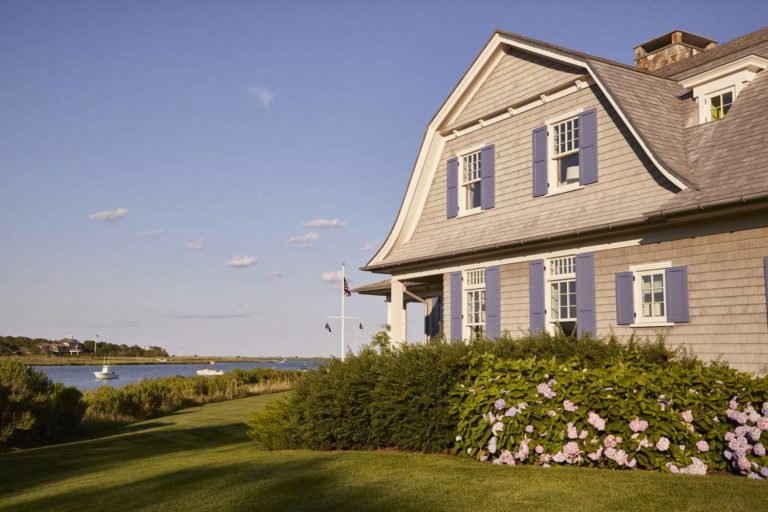
JR: Growing up on Long Island and spending much of my youth in East Hampton had a profound influence on my appreciation for architecture. I was surrounded by the timeless beauty of Shingle Style homes and agrarian forms that felt deeply connected to the landscape, teaching me the importance of designing buildings that belong to their setting and reflect the character of a place.
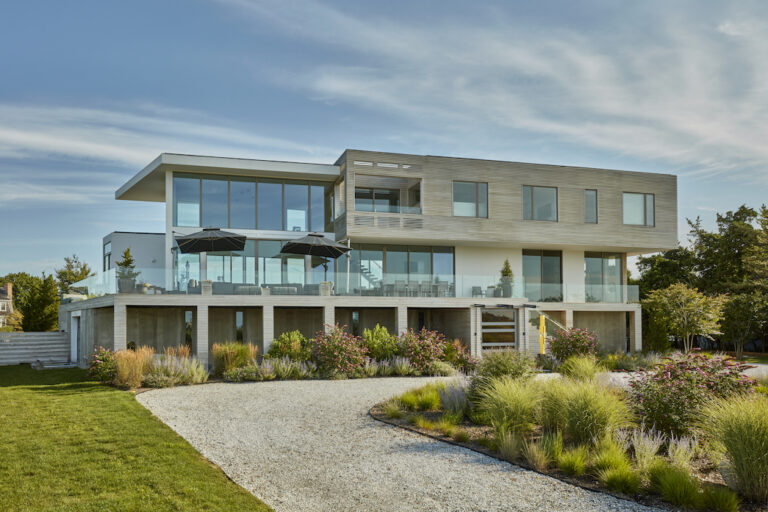
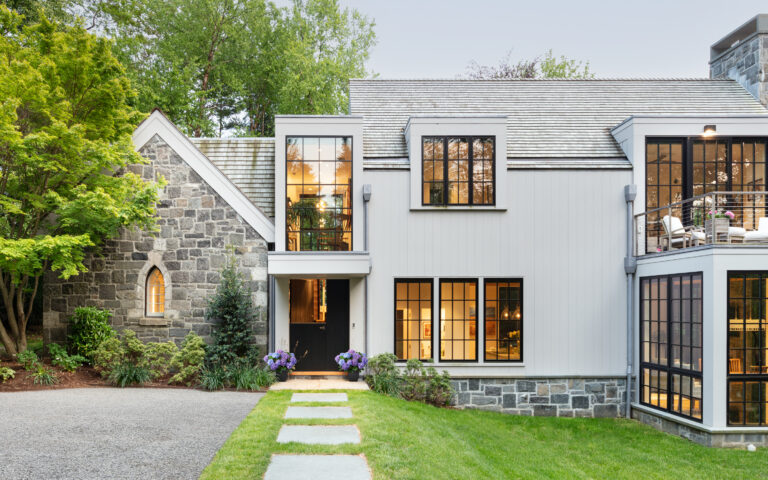
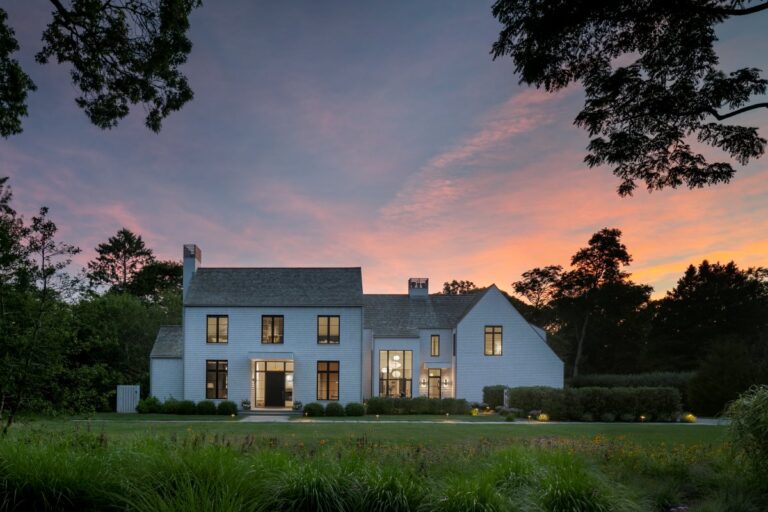
SD and JR: We are finishing up a house now – we both love its aesthetic and want to carry it further. The design in form fits well with the historic neighborhood but is also very fresh and contemporary. The finishing is rich in material detail and form. You’ll have to stay tuned for that one.